Why watches need escrow
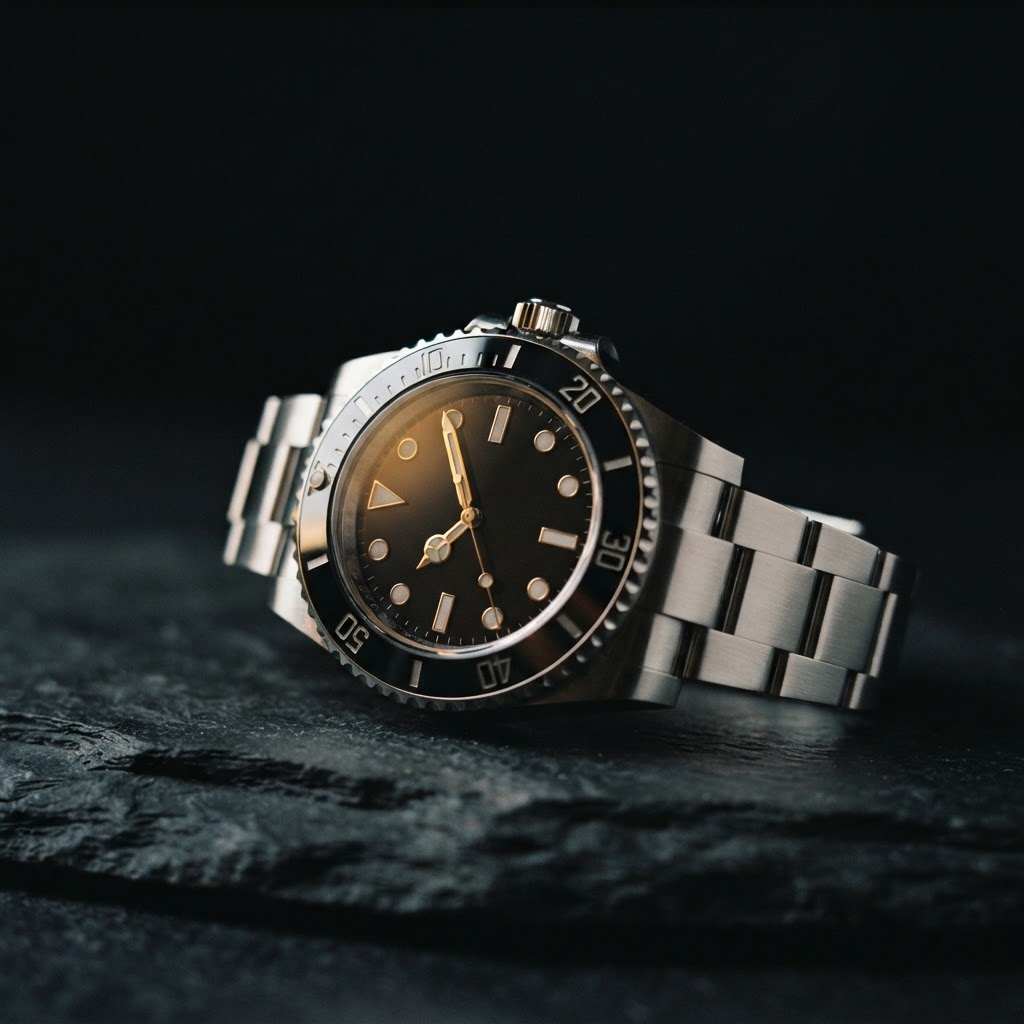
A luxury watch combines everything fraud loves: high value, portability, a deep counterfeit industry and an eager global market. A buyer wiring five or six figures to a stranger has almost no recourse if the watch never arrives — or arrives fake.
The escrow process for watches
Funding
The buyer deposits the agreed amount into a segregated escrow account. The seller sees funds are secured before parting with the watch.
Authentication window
After delivery, the buyer has a defined period to verify authenticity — in person or via an independent watchmaker — before approving release.
Release
Once authenticity and condition are confirmed, funds release to the seller and the deal closes with a full record.
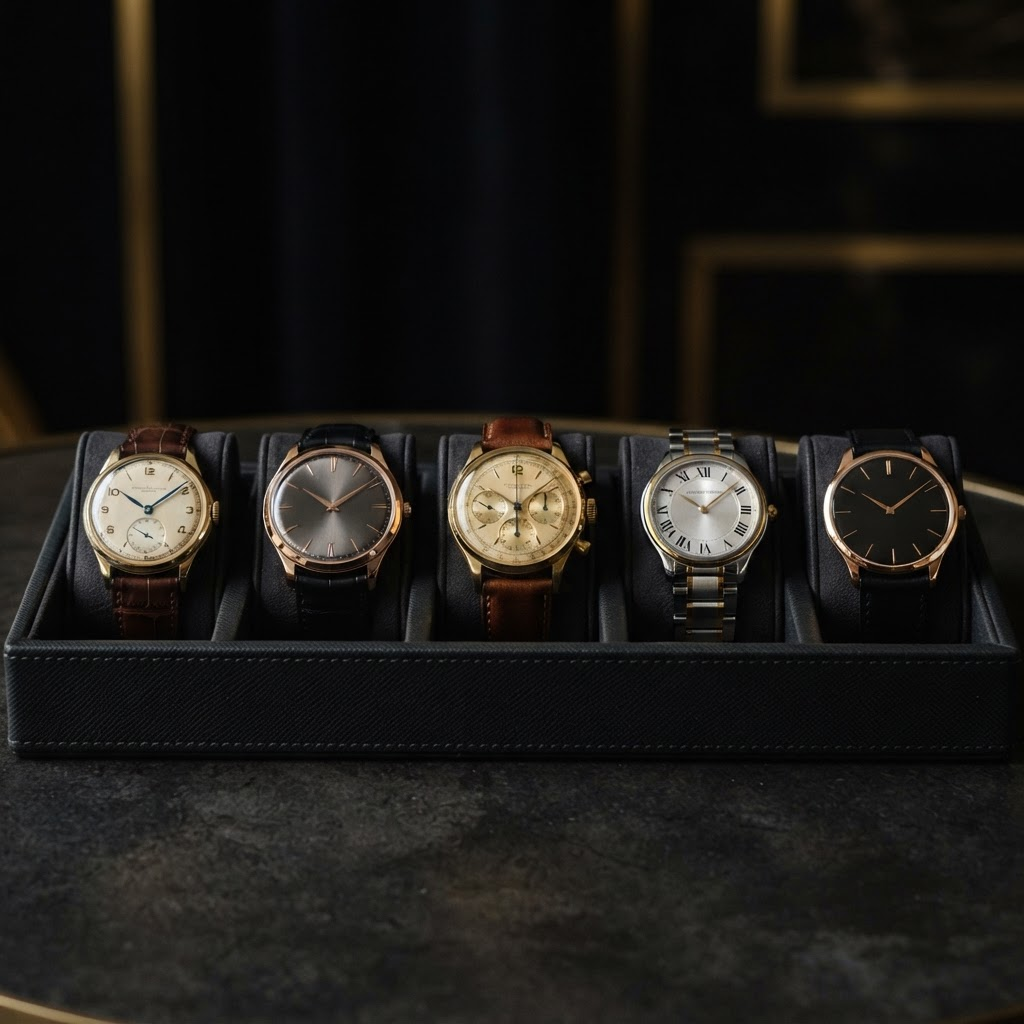
Brands most exposed to fraud
- Rolex — the most counterfeited luxury watch brand in the world
- Patek Philippe — high values make even small fraud lucrative
- Audemars Piguet — Royal Oak demand fuels fakes
- Richard Mille — extreme values attract sophisticated forgery
Protecting the seller too
Escrow is not only buyer protection. Sellers are shielded from chargeback fraud and "item not received" claims, because release is based on agreed, documented conditions rather than a reversible payment.